
"Natural process"
10000 article(s) found

How does Jensen Janson Manor taste like Rose Summer? What are the characteristics?
Professional coffee knowledge exchange more coffee bean information please follow Coffee Workshop (Wechat official account cafe_style) Janson Coffee Farm Coffee Farm is located in Panama's Barun Volcano volcano area, 1350 to 1700 meters above sea level. This is owned and run by the family. Jansons focuses on producing geisha, caturra,catuai and pacamara Super Allah

Sun-treated coffee is sun-treated coffee good? sun-treated coffee beans are good to drink by hand?
Professional coffee knowledge exchange more information about coffee beans Please follow the coffee workshop (Wechat official account cafe_style) We often talk about the varieties or regions that affect the taste of coffee, but equally important is the way coffee is processed. Both natural (or dry) processing and washing (or wet) processing turn ripe coffee cherries into green coffee that can be exported. Of these two technologies,

Good mellow natural washing coffee washing processing method step by step processing method
1 Skin/Pulp: the outermost layer of the coffee bean is covered with berry-like skin and pulp. In addition to the natural sun method, coffee beans treated by other methods must remove the skin and flesh within a few hours after picking. Similar to the cherries we often eat, the difference is that when we eat cherries, we mainly eat the pulp and peel of berries. For coffee.

Flavor description of Kenyan Coffee Raw Bean Flavor description introduction of varieties produced by grinding scale
Kenya Coffee Raw Bean treatment Flavor description Grinding scale production area Variety introduction in the process of washing, the peel and pulp of the fruit are treated by a special desizing machine and the coffee beans are peeled off. The coffee beans then enter the fermentation tank for fermentation treatment so that the mucous membrane is no longer sticky. The sugars in the mucous membrane are decomposed during fermentation. According to different fermentation techniques, when fermenting

How Coffee processing and fermentation affect the Flavor of Coffee introduction to traditional Coffee processing
Many coffee drinkers experience the bumps of the morning without thinking about it. But coffee is much more complicated than throwing crushed things into the machine and getting to work. In fact, coffee starts with a fruit called cherry, whose seeds are removed, dried and fermented to become coffee beans. Then bake them.

Introduction of Coffee processing by Water washing, semi-washing and Natural drying
Because the quality of the solarization method is not easy to control, there is a half-solarization method. Among them, there are several kinds of transformation, the most frequently mentioned are fruit paste solarization and honey treatment. Some people say that honey treatment is Puiped Natural Process, but we do not refute it, because the two methods are too similar. However, according to Los Lajones Manor, we think that the honey place

Three main treatment methods of Costa Rican coffee raw beans Villa Manor Coffee beans Red Honey treatment process Flavor
Most of the coffee we see from Tarasu is washed coffee. Generally speaking, washed coffee has a very clean flavor. When you taste washed coffee, you mainly taste the coffee seeds and roasted flavor. Where the fruit comes from, ideally, the process it goes through has no external influence. Pick ripe coffee cherries from trees during harvest

Ethiopia Yega Xuefei Coffee Raw Bean
Ethiopia's Yega Chuefei has a floral fragrance, making it the most famous boutique raw bean in the world. It is particularly mild, with a floral fragrance, an afterscent around the tip of the tongue, and a gentle texture, all of which have become unique characteristics of Yejia Xuefei. Over the past few decades, Ethiopia's Yejasuefei raw beans have been processed by washing, that is, through the natural enzyme solution.

Description of Flavor of Coffee beans treated with Solar Water and Honey introduction of Grinding scale in production area
Description of Flavor of Coffee beans treated with Solar Water and Honey this method is very common in Brazil. The natural washing method is very similar to the water washing method, except that the natural washing method uses a high-pressure washing machine to remove the mucous membrane of the coffee surface, thus skipping the fermentation process. Several coffee and raw bean processing companies in Brazil and Colombia have applied for this method

The difference between coffee washing, honey treatment and sun exposure jies
Introduction to the difference between coffee washing, honey treatment and sun exposure. The process of natural solarization (Natural/Dried-in-the-Fruit) is the simplest. The fruit begins the process of sun drying without treatment after picking. This is the oldest method of treatment in existence. This method is still used in places such as Ethiopia and Brazil. Natural solarization in the absence of water resources

How many kinds of coffee are treated by dried-- different beans are treated differently.
How many kinds of coffee are treated with dried-aren't different beans treated the same way? this method is very common in Brazil. The natural washing method is very similar to the water washing method, except that the natural washing method uses a high-pressure washing machine to remove the mucous membrane of the coffee surface, thus skipping the fermentation process. Several coffee and raw bean processing companies in Brazil and Colombia have used this method

Brazilian coffee green beans processing technology American coffee beans honey processing commercial Brazilian beans green beans
The four most common treatments for Brazilian coffee are sun, desizing, half-washing and washing, with sun being the most popular. Since the harvest seasons of Cerrado Mineiro and Mogiana Paulista, Brazil's two main producing areas, are both dry seasons of the year, natural solarization is common in this area.

Coffee bean treatment method introduction of coffee bean treatment
In the process of washing, the peel and pulp of the fruit are treated with a special desizing machine and the coffee beans are peeled off. The coffee beans then enter the fermentation tank for fermentation treatment so that the mucous membrane is no longer sticky. The sugars in the mucous membrane are decomposed during fermentation. Depending on the fermentation method, the fermentation time is usually 12 hours to 6 days (some growers use the watering system to ferment coffee beans. This kind of square
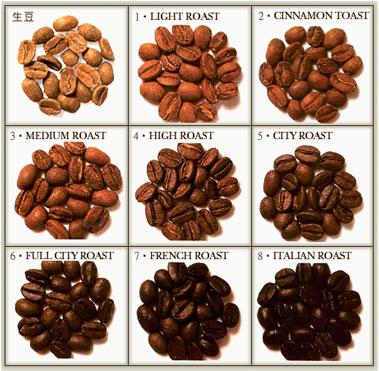
Natural fermented Ethiopian coffee flavor, characteristics, taste and estate
Ethiopia is blessed with natural conditions for growing all conceivable varieties of coffee. Ethiopia's coffee beans are mainly grown as highland crops in areas with altitudes of 1100-2300 meters above sea level, roughly distributed in southern Ethiopia. Deep soil, well-drained soil, weakly acidic soil, laterite and soft soil containing
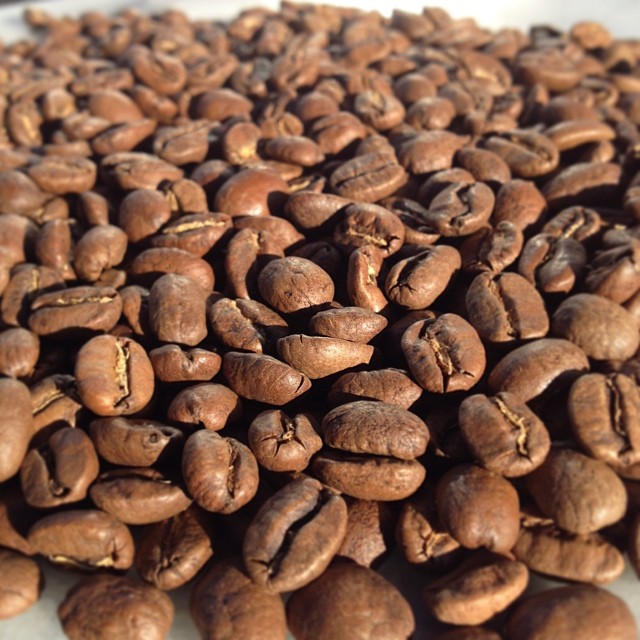
Natural fermentation and Solar Ethiopian Coffee Flavor, characteristics, texture and Manor introduction
Ethiopia has unique natural conditions suitable for growing all imaginable varieties of coffee. As a upland crop, Ethiopian coffee beans are mainly grown in areas between 1100 and 2300 meters above sea level, roughly distributed in southern Ethiopia. Deep soil, well drained soil, weakly acidic soil, laterite and soil are soft and contain

Natural fermented and mellow Ethiopian coffee flavor, characteristics, taste and manor introduction
Ethiopia has unique natural conditions suitable for growing all imaginable varieties of coffee. As a upland crop, Ethiopian coffee beans are mainly grown in areas between 1100 and 2300 meters above sea level, roughly distributed in southern Ethiopia. Deep soil, well drained soil, weakly acidic soil, laterite and soil are soft and contain
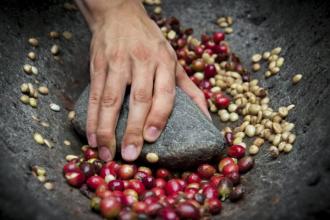
With unique natural conditions, Ethiopian coffee flavor, characteristics, taste and manor introduction
Ethiopia has unique natural conditions suitable for growing all imaginable varieties of coffee. As a upland crop, Ethiopian coffee beans are mainly grown in areas between 1100 and 2300 meters above sea level, roughly distributed in southern Ethiopia. Deep soil, well drained soil, weakly acidic soil, laterite and soil are soft and contain
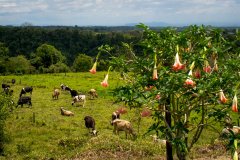
Deborah Manor Natural nitrogen impregnation method Rosa Coffee beans Flavor characteristics pressure anaerobic treatment?
I saw a tweet from Deborah Manor on ins the other day, introducing the joint product with corvuscoffee and starting to savage geisha coffee beans. According to the official website, this is an extremely limited product that will experience a subversion of the definition of coffee. With these super gardening prostitutes from Finca Deborah, you will get a new perspective on innovation in the wine industry.

Sun-treated fine coffee
Coffee beans are processed in the following ways: sun (Natural); semi-sun (Semi-Natural or Pulped-Natural); honey processing (Honey processing) and washing (Washing). Water washing treatment means that immature and immature coffee fruits are screened out in a special way after harvesting.

Natural fermentation, mellow and sun-dried Ethiopian coffee flavor, characteristics, taste and manor introduction
Ethiopia has unique natural conditions suitable for growing all imaginable varieties of coffee. As a upland crop, Ethiopian coffee beans are mainly grown in areas between 1100 and 2300 meters above sea level, roughly distributed in southern Ethiopia. Deep soil, well drained soil, weakly acidic soil, laterite and soil are soft and contain